Dec 10, 2025, 5 min read
AuDHD Burnout: Understanding and Recovering From Burnout in Autistic Adults with ADHD



Are you an autistic adult who also lives with ADHD? If so, you might have felt exhausted, overwhelmed or like your body has simply hit a wall. You are not lazy and you are definitely not alone. AuDHD burnout is a form of burnout that affects people who are both autistic and have ADHD. It is real, and it deserves to be talked about. By blending evidence and empathy, this guide explains what AuDHD burnout is, why it happens, how to spot it and, most importantly, how to recover. Throughout, we’ll speak plainly, because mental health information should be accessible and human.
What is AuDHD burnout?
Researchers define autistic burnout as a syndrome caused by chronic stress and a mismatch between expectations and a person’s ability to meet them. It leads to persistent exhaustion, loss of skills and reduced tolerance for sensory and social demands. While there’s less research on ADHD burnout, clinicians describe it as deep mental and physical exhaustion from the constant effort of managing ADHD symptoms. When autism and ADHD overlap, the push pull of these conditions can make burnout more likely: the autistic need for predictability rubs against the ADHD craving for novelty, creating internal conflict. Think of it like running two different operating systems at once, at some point, the battery drains.
"Many autistic adults with ADHD grow up believing that effort equals worth. If something feels hard, they push harder. If they struggle, they mask more. Burnout comes when our identity is shaped by how we are perceived by others.” - Dr Josep Vilanova, Consultant Psychiatrist
Why does AuDHD burnout happen?
Autistic adults cite a host of pressures that lead to burnout:
- Masking and camouflaging - hiding autistic traits to fit in is mentally draining.
"Masking is often misunderstood as a social skill. In reality, it is more like a survival response and the effort to appear ‘functional’ can disconnect people from their needs, emotions and sense of self." - Dr Josep Vilanova, Consultant Psychiatrist
- Unreasonable expectations - families, employers and society often expect you to work and socialise in a neurotypical way.
- Living in a sensory‑unfriendly world - noisy, bright or unpredictable environments take a toll.
- Life transitions - leaving education, moving house or grieving a loved one can tip you over the edge.
- Barriers to support - being dismissed or gaslit when you seek help makes burnout worse.
ADHD brings its own triggers: perfectionism, people‑pleasing and poor time management. Adults with ADHD often over‑commit, struggle to organise tasks and feel intense guilt when they can’t keep up. Burnout feels like a prolonged stress response rather than a pervasive mood disorder. Add in hyperfocus, that laser‑beam attention that makes you forget to eat, drink or rest and you have a recipe for depletion.
"Burnout can strip away the identities we constructed to survive. What remains is often this question: Who am I when I stop trying to be acceptable to everybody else?" - Dr Josep Vilanova, Consultant Psychiatrist
How to recognise AuDHD burnout
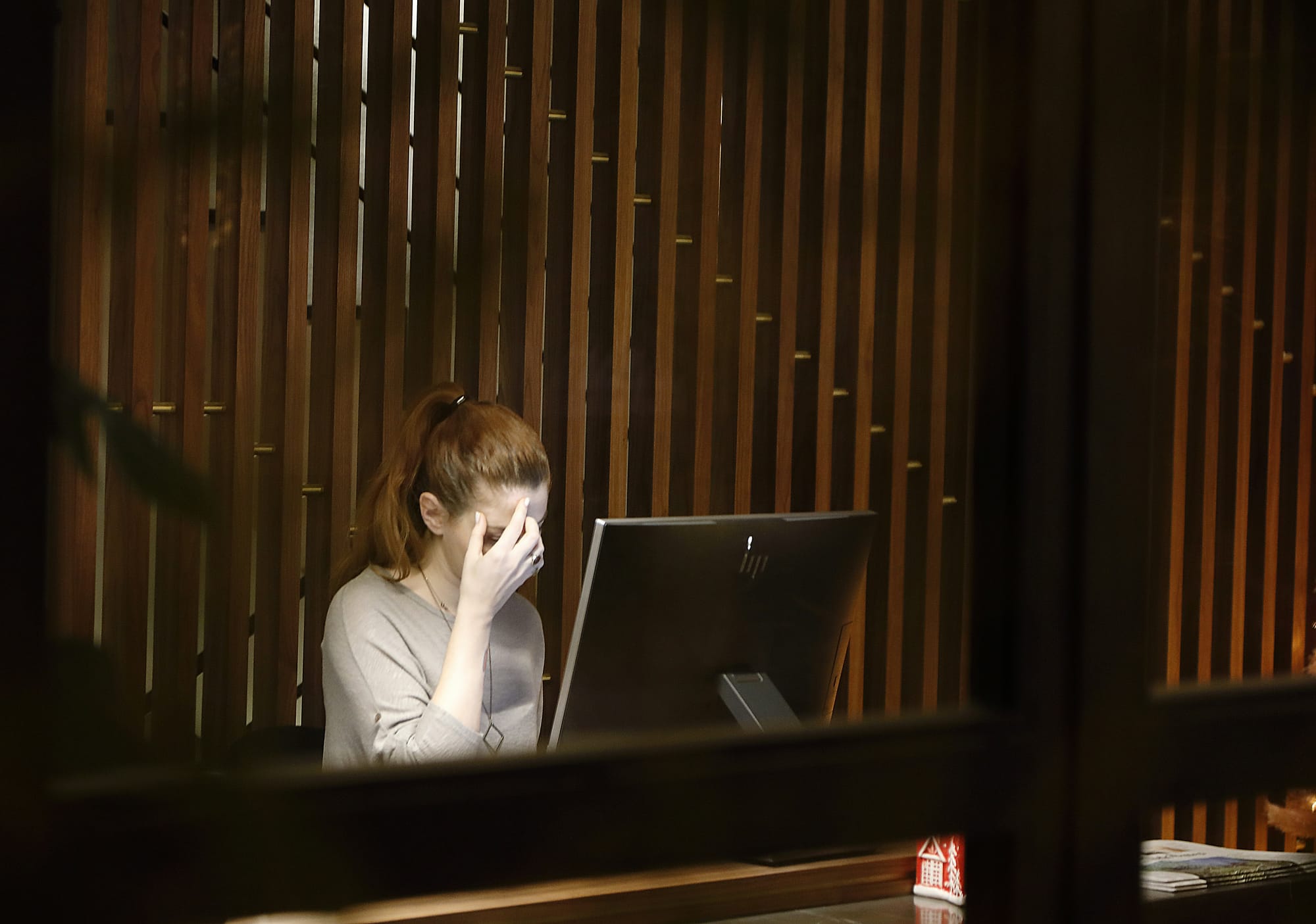
AuDHD burnout isn’t about being tired after a busy week; it’s deep, persistent and often creeps up over months. Look out for:
- Bone‑deep fatigue that doesn’t improve with rest.
- Sudden drop in functioning - tasks you used to handle feel insurmountable.
- Heightened sensory sensitivity and meltdowns - everyday sounds, lights or textures become unbearable.
- Executive function struggles - planning, organising and self‑care go out the window.
- Emotional rollercoasters - irritability, anxiety or tearfulness with no obvious trigger.
- Loss of interest - even your special interests or favourite hobbies might feel like hard work.
- Masking fatigue - you might find yourself fidgeting or speaking more bluntly because you simply can’t keep up the performance.
"Too many responsibilities leads to too many hands in too many pies. Eventually, things that once felt exciting become static and it's that drop in stimulation, alongside exhaustion from overcommitment that leads to burnout. It can feel like complete mental and physical shutdown, no energy, no motivation and even a sense of detachment or numbness.” - Dr Khurram Sadiq, Consultant Psychiatrist
How to recover: small steps, big difference
Burnout is a warning light, not a personal failure. Recovery takes time, but there are practical steps you can take:
Lighten the load
Stop piling on more. Take extended breaks from work or study; use your annual leave; cancel non‑essential plans and prioritise rest. If you’re employed, discuss reasonable adjustments or phased returns with your manager and HR team.
"A paradox of neurodivergent burnout is that it often occurs just as someone appears to others to be more successful. It then forces a reckoning with our values, boundaries and principles." - Dr Josep Vilanova, Consultant Psychiatrist
Honour your sensory needs
Create a “sensory detox” by seeking out calm spaces and using tools like earplugs or weighted blanketsneurodivergentinsights.com. Swap harsh lighting for softer lamps; invest in noise‑cancelling headphones; curate a playlist that soothes you.
Embrace your neurodivergence
Stimming, infodumping and deep dives into special interests are not indulgences, they’re lifelines. Give yourself permission to unmask around trusted friends or family; it’s one of the fastest ways to recharge.
Secure the right support
Ask for accommodations at work or study. That might mean a quieter desk, written instructions, flexible deadlines or remote working. Optimise ADHD medication or therapy; talk to your GP about an autism or ADHD assessment if you haven’t already. Under the NHS Right to Choose scheme you can select a provider with shorter waiting times.
Set boundaries
Learn to say no (yes, really). Limit social engagements and reduce time spent with people who don’t respect your needs. Share your experiences with loved ones so they can help rather than hinder.
Fuel yourself
Restore your energy by reconnecting with activities that light you up: drawing, coding, gardening or simply lying in the park. Build a regular sleep schedule, eat nourishing meals and move your body in ways that feel good.
Find your community
Peer support matters. Join neurodivergent meet‑ups, online forums or local groups through the National Autistic Society or ADHD UK. The NAS encourages connecting with peers and urges clinicians to learn to recognise burnout. Talking to people who “get it” can reduce isolation and offer practical tips.
Know when to reach out
If burnout is severe, lasts longer than a few months or comes with suicidal thoughts, seek professional help immediately. Contact your GP, a local crisis team or a helpline such as Samaritans. Mental health teams should take AuDHD burnout seriously and offer tailored support. Remember, depression treatments like behavioural activation or cognitive reframing can backfire if they ignore autistic/ADHD needs.
Turning understanding into action
At Augmentive, we believe that information without action is pointless. AuDHD burnout is not a character flaw; it’s a sign that the demands of the world aren’t matching your needs. By reducing stressors, honouring your sensory profile, securing accommodations and building supportive networks, you can recover and build a life that fits you. Our mission is to connect you with empathetic psychiatrists, therapists and coaches who speak your language and understand neurodiversity. If this article resonates, don’t wait for burnout to get worse, take a step today to reclaim your energy and wellbeing. Your brain isn’t a machine; treat it with the respect it deserves.