Private high intensity CBT
Qualified CBT therapists
Online and in-person sessions
Book directly, no referral needed
We’re not an urgent or crisis service. If you’re in crisis or at risk of harm, call 999, NHS 111 (option 2 for mental health) or Samaritans on 116 123.
What is high intensity CBT?
CBT isn’t about forcing positive thoughts. Cognitive behavioural therapy is a structured talking therapy. It looks at how your thoughts, feelings and actions feed each other. With private high intensity CBT, you work one-to-one with a qualified CBT therapist, rather than through guided self-help (a workbook with light support).
Maybe you avoid a meeting because you’re sure you’ll say something wrong. Or you lie awake replaying a conversation, or cancel plans because everything feels like too much. Each choice makes sense in the moment, but it can keep anxiety or low mood going. CBT helps you spot these loops and try something different.
You’re not alone, and needing support isn’t a personal failing. NICE recommends CBT for many common mental health problems, including depression and anxiety. It’s practical and focused on what’s happening now. A free call is the first step, and we’ll help you find a therapist who suits you.
What high intensity CBT can help with
The NHS and NICE recommend CBT for many mental health problems. Your therapist shapes it around what you’re dealing with.
What it can help with
- Depression and low mood
- Constant worry (generalised anxiety)
- Panic attacks and phobias
- Social anxiety
- Obsessive-compulsive disorder (OCD)
- Post-traumatic stress disorder (PTSD)
What sessions involve
- Talking through situations you find hard
- Spotting the thoughts that keep you stuck
- Trying out other ways of seeing things
- Small steps towards things you’ve been avoiding
- Practice between sessions, like a diary or worksheet
You don’t need a diagnosis to start CBT. If you’re not sure it’s the right fit, a free call can help you decide.
What happens in high intensity CBT
-
A free call first
Tell us what’s going on in a free 15-minute call, and we’ll help you find the right specialist.
-
Choose your therapist
Browse qualified CBT therapists, read their profiles and book with someone who feels like a good fit.
-
Your first sessions
You talk about what’s going on and how it affects you. Together, you agree goals and a plan for therapy.
-
Regular sessions
Structured sessions where you try new ways of responding, with practice in between. Before you finish, you plan how to keep using your skills.
Types of high intensity CBT
CBT isn’t one-size-fits-all. Some forms are built for one condition, like trauma-focused CBT for PTSD. Most draw on these three approaches.
Cognitive therapy
Looks at the thoughts behind how you feel. You learn to notice them, question them and find other ways of seeing things.
Exposure therapy
Helps you face feared situations gradually, one small step at a time, so the fear has a chance to ease. For OCD, this includes exposure and response prevention (ERP).
Behavioural activation
Often used for low mood. You plan small, meaningful activities to break the cycle of pulling back and feeling worse.
Your therapist will talk you through which approach fits, and you can ask questions at any point.
Where to get high intensity CBT
There’s more than one route to CBT. The right one depends on your needs, where you live and how you’d like to be seen.
-
NHS Talking Therapies
Free NHS therapy in England for anxiety and depression. You can usually refer yourself if you’re 18 or over and registered with a GP.
-
Privately, through Augmentive
Choose a qualified CBT therapist yourself, see their prices before you book, and meet online or in person.
-
Through work or study
Some employers, universities and charities offer free CBT. It’s worth checking what’s available to you.
Our high intensity CBT therapists
Qualified therapists who offer high intensity CBT.
Supported by decades of clinical expertise
Patients are supported by experienced clinicians and care coordinators specialising in ADHD and neurodevelopmental care.
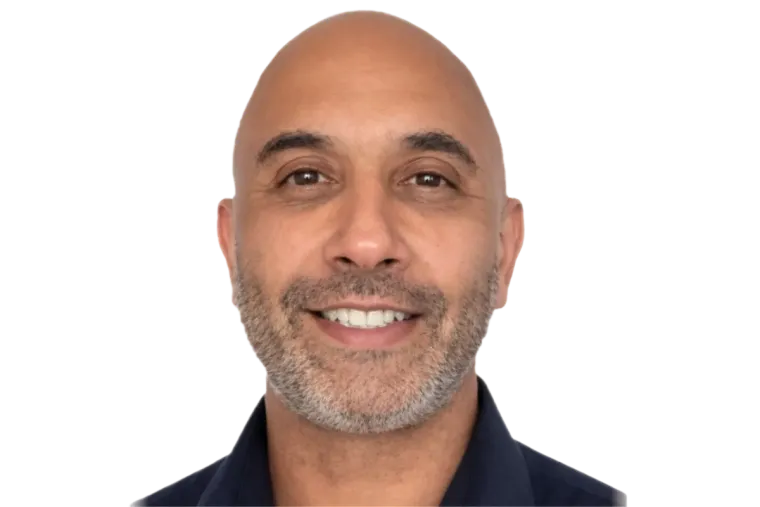
Dr. Gurprit Pannu
Dr Pannu is a Consultant Psychiatrist who was formerly Chief Digital Information Officer at NHS Sussex.
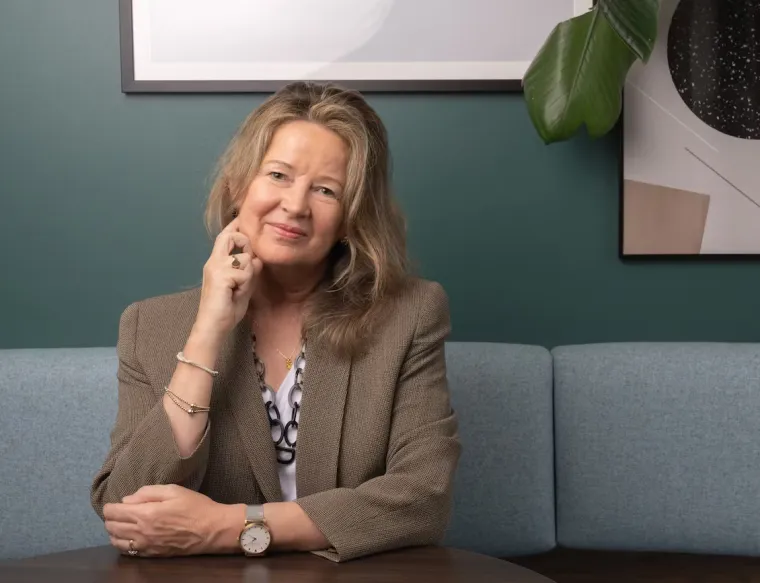
Sarah Norman
Sarah works as our Chief Service Officer. She previously practiced as a Counselling Therapist.

High intensity CBT FAQs
It’s mainly how much one-to-one time you have with a therapist. Low intensity CBT is usually guided self-help: a workbook or online course, with short check-ins from a trained practitioner. High intensity CBT means regular one-to-one sessions with a qualified CBT therapist, shaped around you. In NHS Talking Therapies, guided self-help is usually offered first. NICE recommends high intensity therapy when problems have a bigger impact on daily life, or haven’t eased with self-help.
CBT suits many people, especially if you’d like a practical, structured approach. NICE and the NHS recommend it for depression and anxiety problems, including OCD and PTSD. Practising between sessions is an important part of it. If you’re not sure, book a free 15-minute call and we’ll help you decide. If you’d like to understand what’s going on first, a psychiatric assessment looks at the bigger picture.
You and your therapist work on goals you’ve agreed together. You might talk through a recent situation, look at the thoughts and feelings it brought up, and plan something to try before next time. You may be given exercises to do between sessions. How many sessions you have depends on what you’re working on. On the NHS, a course is usually 5 to 15 sessions, and your therapist reviews progress with you along the way.
Yes. CBT can be delivered in person, by video or by phone. Many of our therapists offer sessions by secure video, and some also see people in person. Each therapist’s profile shows how they work, so you can choose what feels easiest. Browse our therapists to compare.
Prices vary by therapist and are shown on each profile before you book. You pay for each appointment when you book it. If you’re not sure who to see, book a free call and we’ll talk you through your options.
Yes. NHS Talking Therapies offers CBT in England, and you can usually refer yourself or ask your GP. To refer yourself for anxiety or depression, you need to be registered with a GP and aged 18 or over (16 in some areas). You can also see a qualified therapist privately, including through Augmentive.
No. You can book private high intensity CBT directly, without a referral. You can still let your GP know you’re having therapy if you’d like them to.
No. If you’re in crisis or at risk of harm, call 999, NHS 111 (option 2 for mental health) or Samaritans on 116 123.